Butterbear – Who Shapes a Brand Character in the Age of Social Media?
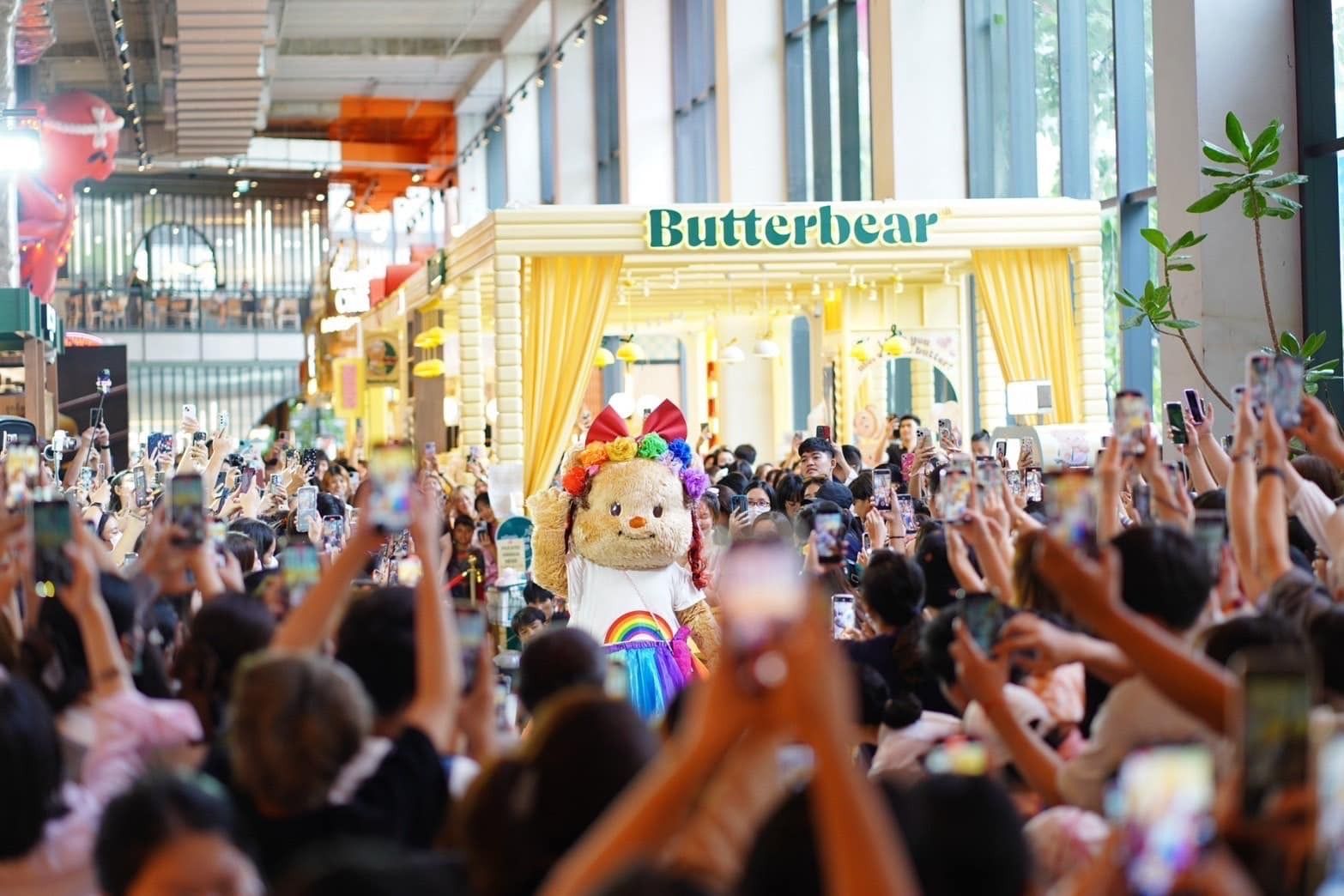
Butterbear – a simple bear mascot that went viral overnight. But as the character evolves across platforms, who really shapes her identity?
At a glance
Year Founded
2023
Store Location
Bangkok, Thailand
Total Followers
~ 2.05 Million
(Across 5 platforms: TikTok, YouTube, Facebook, X, Instagram)
Abstract
From a Thai dessert café, Butterbear has become a widely recognized digital cultural icon through the strategic use of transmedia storytelling, social media engagement, and audience co-creation. Originally introduced as a bear mascot representing nostalgic happiness, Butterbear has now gained popularity through viral social media content across multiple platforms.
This case study examines how Butterbear’s identity evolved through the combined influence of brand strategy, fan participation, and platform algorithms rather than being solely defined by the company. It also encourages learners to analyze the opportunities and challenges of co-created identity in the digital era and discuss important strategic questions about how organizations can preserve brand consistency while embracing collaborative identity formation across interconnected social media platforms.
Key themes explored in this case study include brand management, consumer behavior, transmedia storytelling, digital marketing, and brand community building.
Key Topics: Brand Management, Consumer Behavior, Transmedia Storytelling, Digital Marketing, Customer Engagement Marketing, Character Branding, Brand Community Building, Social Media Strategy, Audience Co-Creation, Brand Identity
All rights reserved. © 2026 Nikkei Business Lab Asia. No part of this publication may be copied, stored, or transmitted in any form. Copying or posting is an infringement of copyright.
Disclaimers:
(1) Regarding Case Study Content: This case study is based mainly on secondary data and analysis of publicly available information unless otherwise stated, and is intended solely for educational purposes. Any opinions expressed by the author(s) are designed to facilitate learning discussion and do not serve to illustrate the effectiveness of the company. Additionally, banner images and logos used in the case study are intended for visualization in an educational setting and it is not used to represent or brand the company. For any dispute regarding the content and usage of images and logos, please contact the team.
(2) Regarding University Affiliation and Titles of Authors: The university affiliation and titles of author(s) seen in the case study is based on their affiliation and title during the time of publication. It may or may not represent the current status of said author(s).