Bridging the Gap in ESG Reporting Education: Sunway University and BDO Collaboration
Faced with the challenge of preparing accounting students to meet real-world professional expectations, Sunway University collaborated with BDO to offer a practical, adaptive approach that integrates SDGs and ESG principles into a financial accounting class.
At a glance
Institution & Discipline
Sunway University, Undergraduate Accounting
Implementation Year
2023
Focus
Course Design and Education Innovation
Abstract
This case study examines how Sunway Business School addressed a growing gap between accounting education and the rapidly evolving demands of sustainability and ESG reporting through an academia–industry collaboration with BDO Malaysia. Set against Malaysia’s changing regulatory landscape for corporate sustainability reporting, including Bursa Malaysia’s requirements and the introduction of IFRS S1 and IFRS S2, the case highlights the challenge of preparing financial accounting students not only with strong technical foundations, but also with the awareness and practical skills needed to engage with non-financial reporting expectations in professional practice.
The case study highlights how industry engagement, alignment with the Sustainability Development Goals (SDGs), and course design following significant learning principles can enhance students’ readiness for post-graduate career paths and emerging professional demands. Written as a teaching and problem-solving case, it invites learners to evaluate how accounting education can evolve to prepare future professionals for sustainability-driven reporting and decision-making in an increasingly complex business environment.
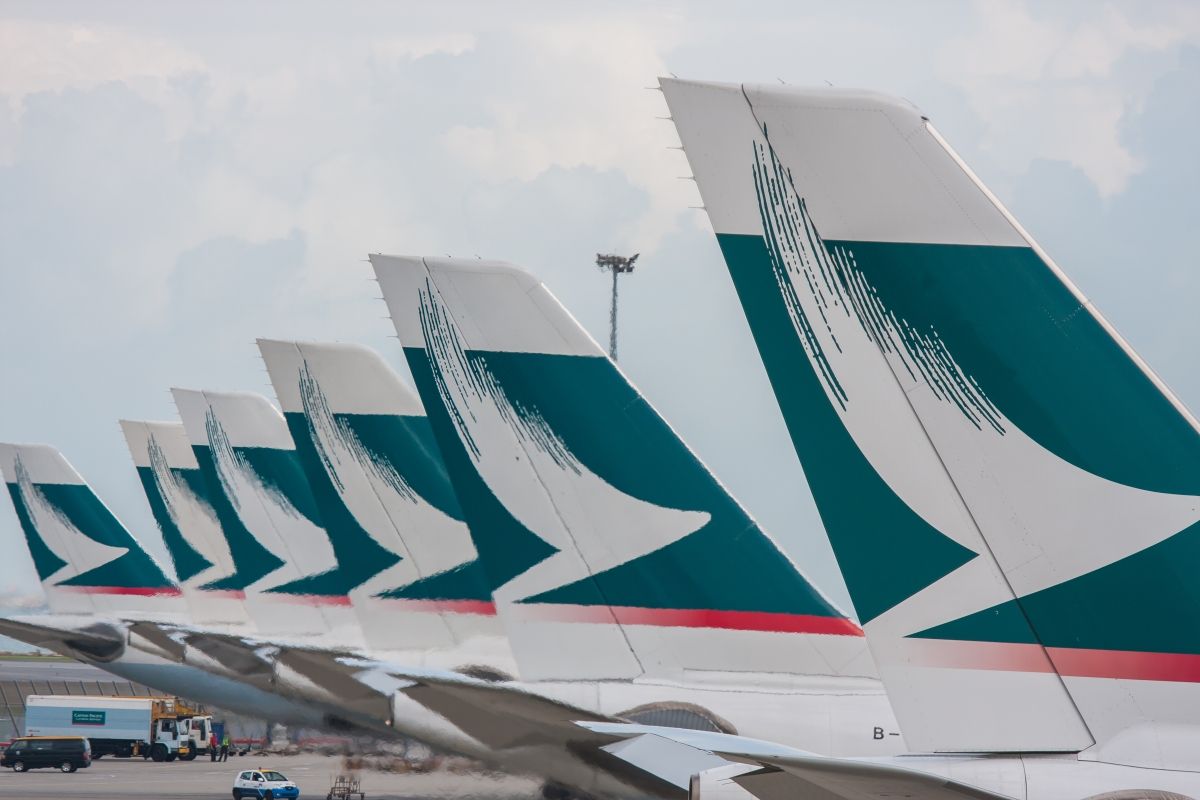
Cover Photo by: Dom Fou, Unsplash
All rights reserved. © 2026 Nikkei Business Lab Asia. No part of this publication may be copied, stored, or transmitted in any form. Copying or posting is an infringement of copyright.
Disclaimers:
(1) Regarding Case Study Content: This case study is based mainly on secondary data and analysis of publicly available information unless otherwise stated, and is intended solely for educational purposes. Any opinions expressed by the author(s) are designed to facilitate learning discussion and do not serve to illustrate the effectiveness of the company. Additionally, banner images and logos used in the case study are intended for visualization in an educational setting and it is not used to represent or brand the company. For any dispute regarding the content and usage of images and logos, please contact the team.
(2) Regarding University Affiliation and Titles of Authors: The university affiliation and titles of author(s) seen in the case study is based on their affiliation and title during the time of publication. It may or may not represent the current status of said author(s).